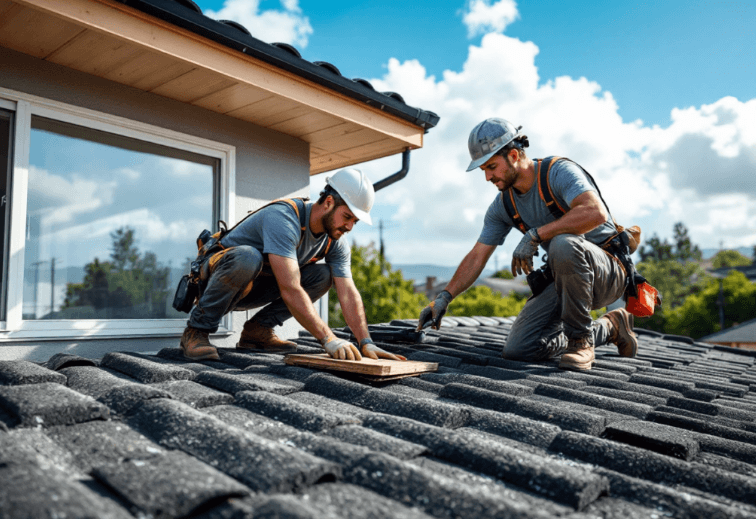
How Smart Roof Maintenance Protects Homes Through Every Season
A roof rarely gets attention until something goes wrong. Yet small, consistent maintenance habits can help homeowners avoid leaks, storm damage, energy loss, and expensive repairs. For property owners in storm-prone regions, a proactive roofing plan is one of the simplest ways to protect long-term home value.
Why Roof Maintenance Matters More Than Most Homeowners Realize
Your roof works every day, whether the weather is calm or severe. Sun exposure dries materials over time. Wind can loosen shingles. Heavy rain can exploit tiny gaps around flashing, vents, skylights, and chimneys. Even clogged gutters can push water under roofing edges and create damage that is difficult to see from the ground.
The challenge is that roof problems often develop quietly. A missing shingle may not cause a leak immediately. A small puncture may only become obvious after the next major storm. By the time water stains appear on a ceiling, moisture may already have affected insulation, decking, or interior finishes.
Regular maintenance helps homeowners catch issues early, before they become larger projects.
The Most Common Warning Signs of Roof Trouble
Homeowners do not need to climb onto the roof to spot potential problems. Many early warning signs are visible from the yard, attic, or interior living space.
Look for:
- Shingles that are curled, cracked, missing, or lifted
- Granules collecting in gutters or near downspouts
- Water stains on ceilings or walls
- Musty odors in the attic
- Sagging areas along the roofline
- Rusted or loose flashing
- Gutters pulling away from fascia
- Higher-than-usual cooling costs
- Daylight showing through attic boards
Any one of these signs may justify a closer inspection. Even if the issue seems minor, documentation can help homeowners understand whether they need a small repair, a maintenance visit, or a more detailed roof assessment.
Seasonal Roof Care That Makes a Difference
Roof maintenance is easier when it follows a seasonal rhythm. Instead of waiting for a major leak, homeowners can build a simple checklist around predictable weather patterns.
Spring
Spring is a good time to look for winter wear, loose materials, clogged gutters, and damage caused by wind or debris. It is also a practical season for scheduling repairs before summer heat arrives.
Summer
In hot climates, summer heat can accelerate aging. Proper attic ventilation, intact shingles, and reflective or energy-conscious roofing materials can all support better indoor comfort.
Fall
Fall maintenance should focus on clearing gutters, trimming nearby branches, and preparing the home for heavier rain or changing weather. This is also a smart time to check seals around roof penetrations.
After Major Storms
After hail, high winds, or heavy rain, homeowners should visually inspect the property from the ground and document anything unusual. Photos of damaged shingles, dented gutters, or fallen branches can be useful when discussing repair options.
For homeowners who want local guidance on inspections, repairs, or storm-related roofing concerns, it may be helpful to contact Ideal Precision Roofing as part of the decision-making process.
Why Professional Inspections Are Worth Considering
Some roofing problems are easy to miss without training. A roof can look acceptable from the ground while still having compromised flashing, soft decking, hail bruising, or ventilation issues. Professional roofers understand how materials age, how storm damage appears, and how water tends to travel once it enters a roofing system.
A professional inspection can help clarify:
- Whether damage is cosmetic or functional
- Which repairs should be prioritized
- Whether the roof has ventilation concerns
- How much useful life may remain
- Whether documentation is needed for insurance discussions
- Whether replacement is more practical than repeated repairs
This is not about creating unnecessary work. A good inspection should give homeowners clear information, photos when appropriate, and practical options.
Repair or Replace? How to Think Through the Decision
One of the biggest roofing questions is whether to repair a problem area or replace the entire system. The answer depends on several factors.
A repair may make sense when damage is isolated, the roof is relatively young, and the surrounding materials are still in good condition. Examples include a few missing shingles, a minor flashing issue, or a small leak caught early.
Replacement may be more practical when the roof is near the end of its service life, damage is widespread, or repairs would only delay a larger unavoidable project. A roof with repeated leaks, significant storm damage, or widespread granule loss may no longer offer reliable protection.
Homeowners should also consider timing. Replacing a roof before severe deterioration can reduce the risk of interior water damage and may improve curb appeal, energy performance, and resale confidence.
The Role of Gutters, Ventilation, and Exterior Details
A healthy roof is part of a larger exterior system. Gutters, soffits, fascia, siding, attic ventilation, and drainage all influence how well the roof performs.
Gutters direct water away from the home. When they clog or sag, water can overflow and damage fascia, siding, landscaping, or foundation areas. Ventilation helps regulate attic temperature and moisture. Without it, heat and humidity can shorten the life of roofing materials and increase indoor comfort problems.
Exterior details also matter. Tree branches rubbing against shingles can cause premature wear. Poorly sealed vents can become leak points. Debris sitting in valleys can trap moisture. These small issues may seem harmless, but over time they create avoidable stress on the roof.
See also: Why Draper Micro Lifts Use Military Grade Kevlar for Ultimate Safety
Building a Practical Roof Care Routine
A simple routine can keep roof maintenance manageable. Homeowners can walk the property after major weather events, keep gutters clear, monitor attic conditions, and schedule periodic inspections. Keeping records of repairs, inspection notes, warranties, and photos can also make future decisions easier.
The best roofing strategy is not reactive. It is steady, informed, and practical. By paying attention to small changes and addressing concerns early, homeowners can extend roof performance and reduce the likelihood of stressful emergency repairs.
Conclusion
A roof is one of the most important protective systems a home has. With seasonal care, timely inspections, clear documentation, and thoughtful repair decisions, homeowners can preserve both comfort and property value. Whether dealing with routine maintenance or storm-related concerns, the key is to act before small roofing issues become expensive interior problems.