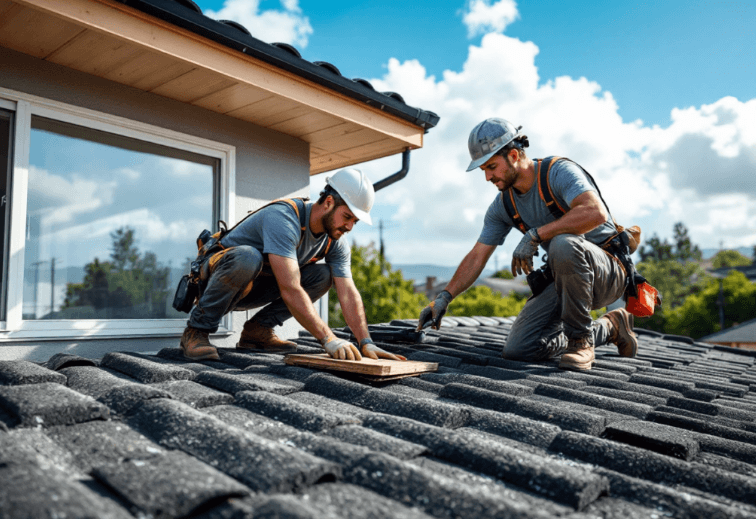
How Homeowners Can Think About Roofing as a Whole-Home Investment
A roof is more than a layer of shingles. It protects comfort, curb appeal, energy performance, and the long-term value of a home. For homeowners planning maintenance or upgrades, the smartest approach is to treat roofing as part of the entire exterior system.
Start With Prevention, Not Panic
Many roofing problems begin quietly. A lifted shingle, clogged gutter, loose flashing, or small leak may not seem urgent at first, but minor issues can become expensive when ignored. Instead of waiting for visible ceiling stains or storm damage, homeowners should build roof inspections into their normal home maintenance routine.
A practical checklist includes:
- Looking for missing, curling, or cracked shingles
- Checking gutters for granules or debris buildup
- Watching for stains on ceilings or attic decking
- Noticing uneven rooflines or sagging areas
- Inspecting around chimneys, vents, and skylights
- Scheduling professional evaluations after major storms
The goal is not to diagnose everything yourself. It is to recognize warning signs early enough to get qualified help before damage spreads.
Understand How Roofing, Gutters, and Siding Work Together
A roof does not function alone. Gutters move water away from the foundation. Siding protects walls from wind-driven rain. Ventilation helps regulate attic moisture and temperature. When one part of the exterior system fails, other areas can be affected.
For example, damaged gutters may cause water to back up under roof edges. Poor attic ventilation can shorten the life of roofing materials. Aging siding can allow moisture into wall cavities even when the roof itself is sound. That is why homeowners benefit from thinking beyond a single repair and considering how all exterior components interact.
For a helpful example of this whole-exterior mindset, homeowners can review service categories and maintenance ideas according to Ideal Roofing and Exteriors, especially when comparing roofing, siding, gutter, and storm-related needs.
Know When Repair Makes Sense
Not every roofing issue requires replacement. Repairs may be appropriate when the damage is limited, the roof is relatively young, and the underlying structure remains solid. A few missing shingles, isolated flashing problems, or a minor leak around a vent may be repairable.
However, homeowners should be cautious about repeated patchwork. If repairs are becoming frequent, the roof may be nearing the end of its practical life. Continual short-term fixes can cost more over time than a planned replacement.
A good repair decision should consider:
- Age of the current roof
- Extent of damage
- Quality of existing installation
- Ventilation and moisture conditions
- Future plans for the home
- Local weather exposure
Plan Roof Replacement With Long-Term Value in Mind
Roof replacement is a major project, but it can also be a strong investment when planned carefully. Homeowners should look beyond the lowest estimate and evaluate workmanship, materials, warranties, communication, cleanup, and project management.
A strong roofing project usually includes a clear inspection, written scope of work, explanation of materials, ventilation review, protection for landscaping, and cleanup expectations. These details matter because roofing affects both performance and appearance.
Choosing the right materials is also important. Shingle color, durability, wind rating, and compatibility with the home’s style should all be considered. A roof should protect the home while also improving curb appeal.
See also: The Future of Technology: Innovations Transforming Our World
Prepare Before Storm Season
In many regions, wind, hail, heavy rain, and falling branches can create sudden roofing problems. Homeowners cannot control the weather, but they can reduce risk with preparation.
Before storm season, trim overhanging branches, clean gutters, check attic ventilation, and make sure roof penetrations are properly sealed. After a storm, avoid climbing on the roof yourself. Instead, look from the ground for missing shingles, displaced flashing, dented gutters, or debris impact.
Documentation also matters. Keep records of inspections, repairs, photos, and warranties. If storm damage occurs, organized information can make the next steps easier.
Choose Contractors Carefully
The contractor you choose has a major impact on the outcome of any roofing or exterior project. Homeowners should look for clear communication, local experience, proper credentials, written proposals, and a willingness to explain options without pressure.
Be cautious of vague estimates, unusually low pricing, rushed decisions, or contractors who appear only after major storms. A dependable roofing professional should help you understand the condition of your home, not push you into unnecessary work.
Conclusion
Roofing decisions are easier when homeowners focus on prevention, exterior system performance, and long-term value. Whether you need a small repair, storm inspection, gutter improvement, siding update, or full roof replacement, the best results come from informed planning and qualified workmanship. A well-maintained roof protects far more than the attic; it helps preserve the comfort, safety, and appearance of the entire home.